Winter Climates in Mexico
Mexico’s winter season begins on or around December 21 each year, and although the seasonal change does not feel as marked as it does further north in the Hemisphere, if you’re living or visiting here during this time of year, you’ll feel a distinct change in the air and its temperatures from early to mid-December.
How marked the change feels depends on where you are in Mexico: areas situated at low-lying levels and near the coasts lose their high humidity and heat to become plesantly warm, whereas the central highlands and some areas along the Gulf Coast are cooler and subject to temporary cold fronts from Canada and the US which can bring icy gusts of wind and even overnight frost for a few days at a time. Cold spells tend to pass surprisingly quickly and on most winter days, daytime high temperatures can reach pleasantly-warm 21 degrees centigrade (70F).
As we outlined in a related article, Mexico is a land of three lands—with low-lying coastal plains, central highland towns, and small settlements situated high-up in the mountains. A direct correlation exists between the altitude you’re situated at and the temperatures you’ll feel year-round, although in winter, the higher altitudes can feel distinctly cooler, even cold.
One of the great attractions of Mexico’s climate is that, temperatures aside, it offers long hours of daylight all year-round. During winter, daylight hours do shorten a little, and while most of the country observes Daylight Savings Time, most places in Mexico enjoy between ten and eleven hours of daylight every day of the year—in contrast to Canada and the northern US and Europe, where you can experience as little as five hours of daylight in the depths of winter.
The climate in Mexico begins to turn during the Autumn when temperatures at higher altitudes will feel generally cooler from late September. By late December, central highland towns and cities can feel chilly or even cold after sundown. Mexico City, at an altitude of around 7,200 feet above sea level, can get surprisingly cold between late December and mid-February, as can the highland towns of Pátzcuaro in Michoacán, and San Cristóbal de las Casas in the otherwise sultry Chiapas state.
The Monarch Butterflies begin to overwinter in Mexico from around mid-November. The highland oyamel fir-tree forests where they overwinter are coldest during December, causing the insects to cluster together on the trees for warmth, so if you want to see the butterflies in a more active state, then it’s best to visit them from mid-January to March—the peak viewing season—when the days get longer and daytime temperatures are warmer.
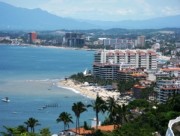
For warmth during December, January, and February you need to be situated at or near Mexico’s coasts. Places like Puerto Vallarta, Manzanillo, Ixtapa Zihuatanejo, Acapulco, Huatulco and Mérida—places which get very hot during the summer months—tend to enjoy gloriously comfortable and warm temperatures during the winter, which is why they are so popular with snowbirds, and residents of Mexico’s highlands who may repair to the coast for a weekend dose of sweet warm air, especially if a cold front lingers.
By late January, you can begin to feel the climate change again, and by late February temperatures in the central highlands can return to feeling quite warm as winter yields to spring ushering-in some of the driest days of the year before the rain season begins in May or June. Temperatures near the coasts begin their transition back from warm-to-hot during the spring.
Check individual travel guides here on Mexperience for climate by location. You can get full details about the weather by region and season in Mexico on our guide to Climate in Mexico